A visual introduction to crossing between racket sports
By RacketBridge
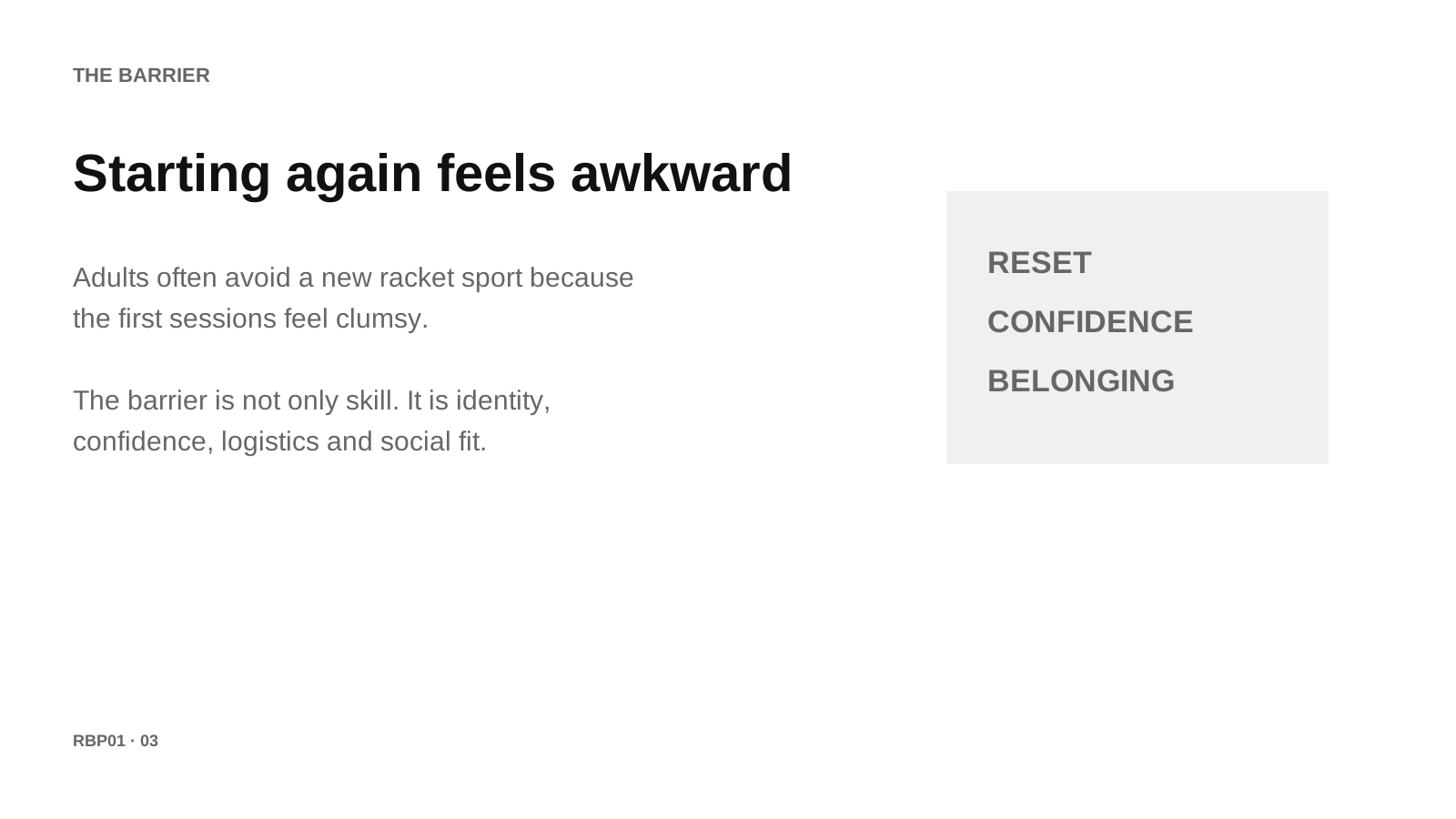
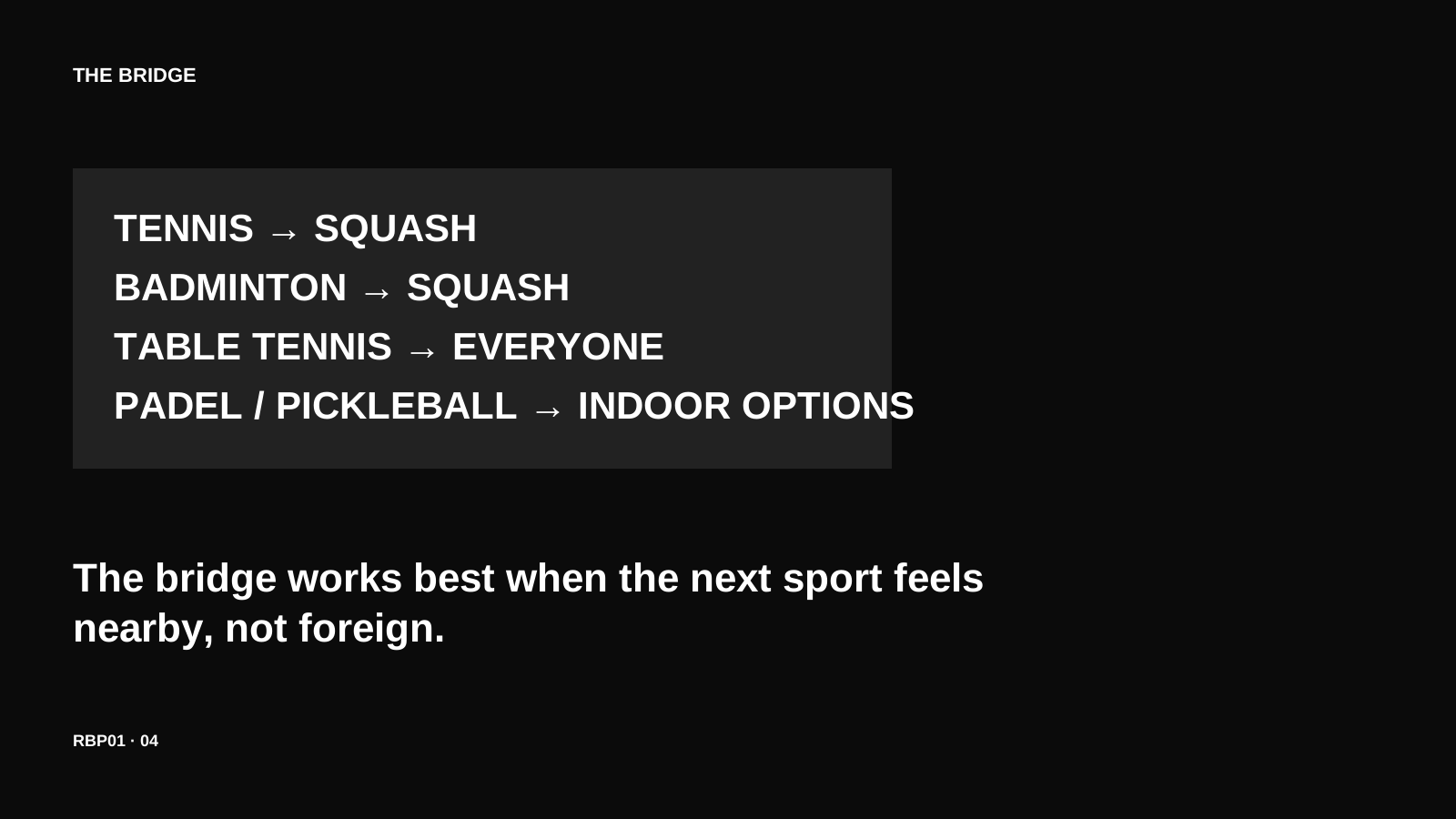
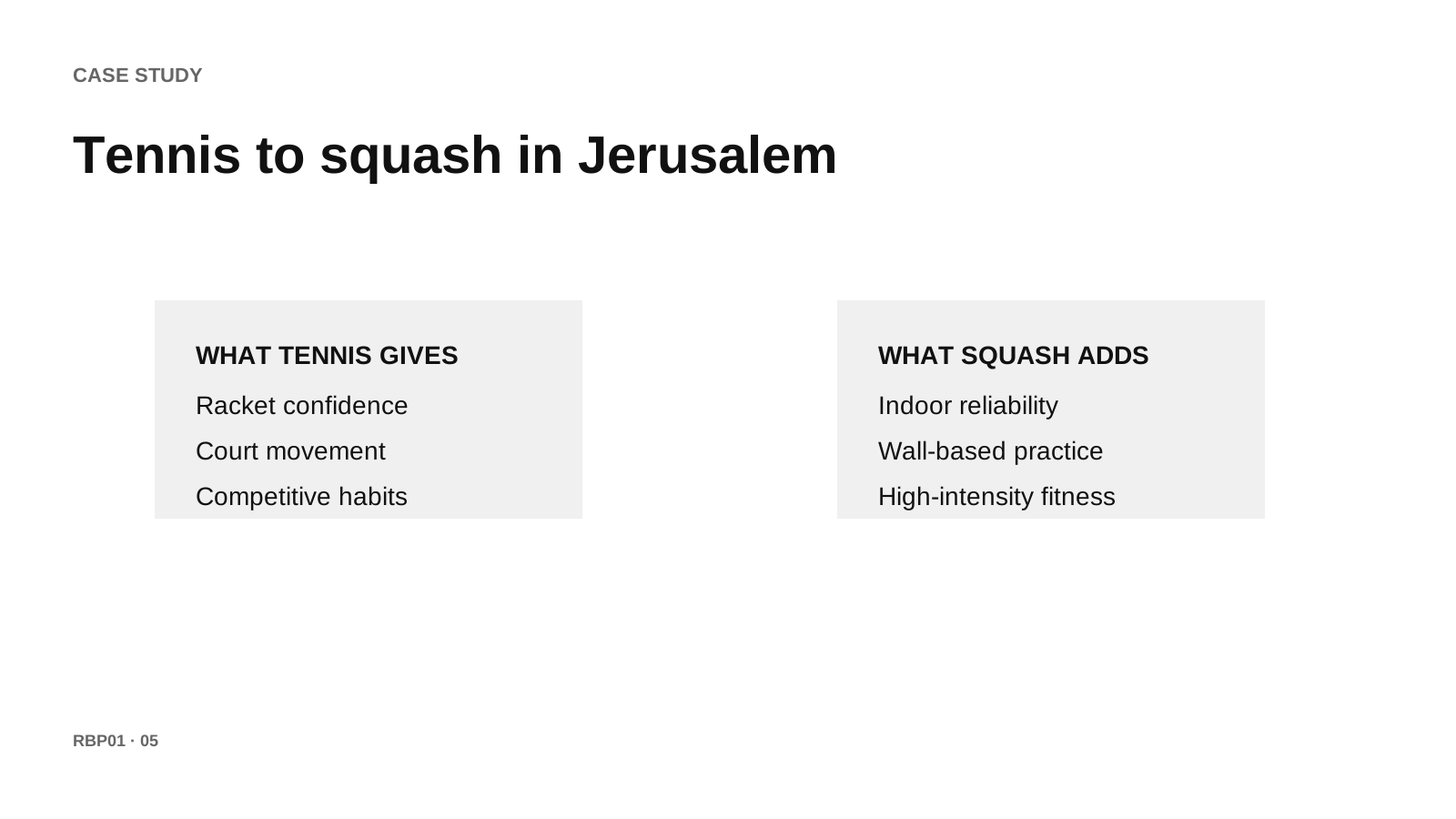
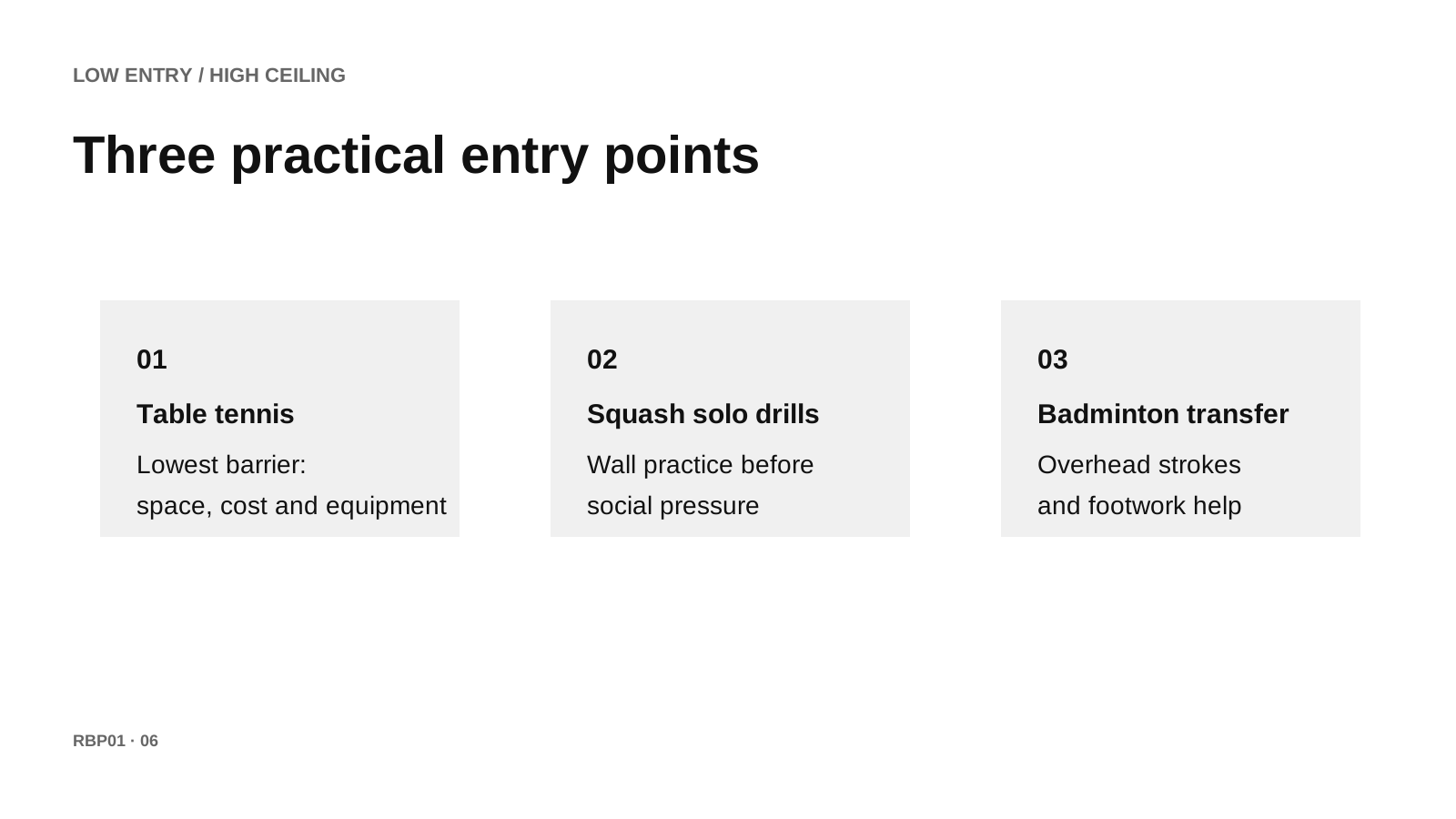
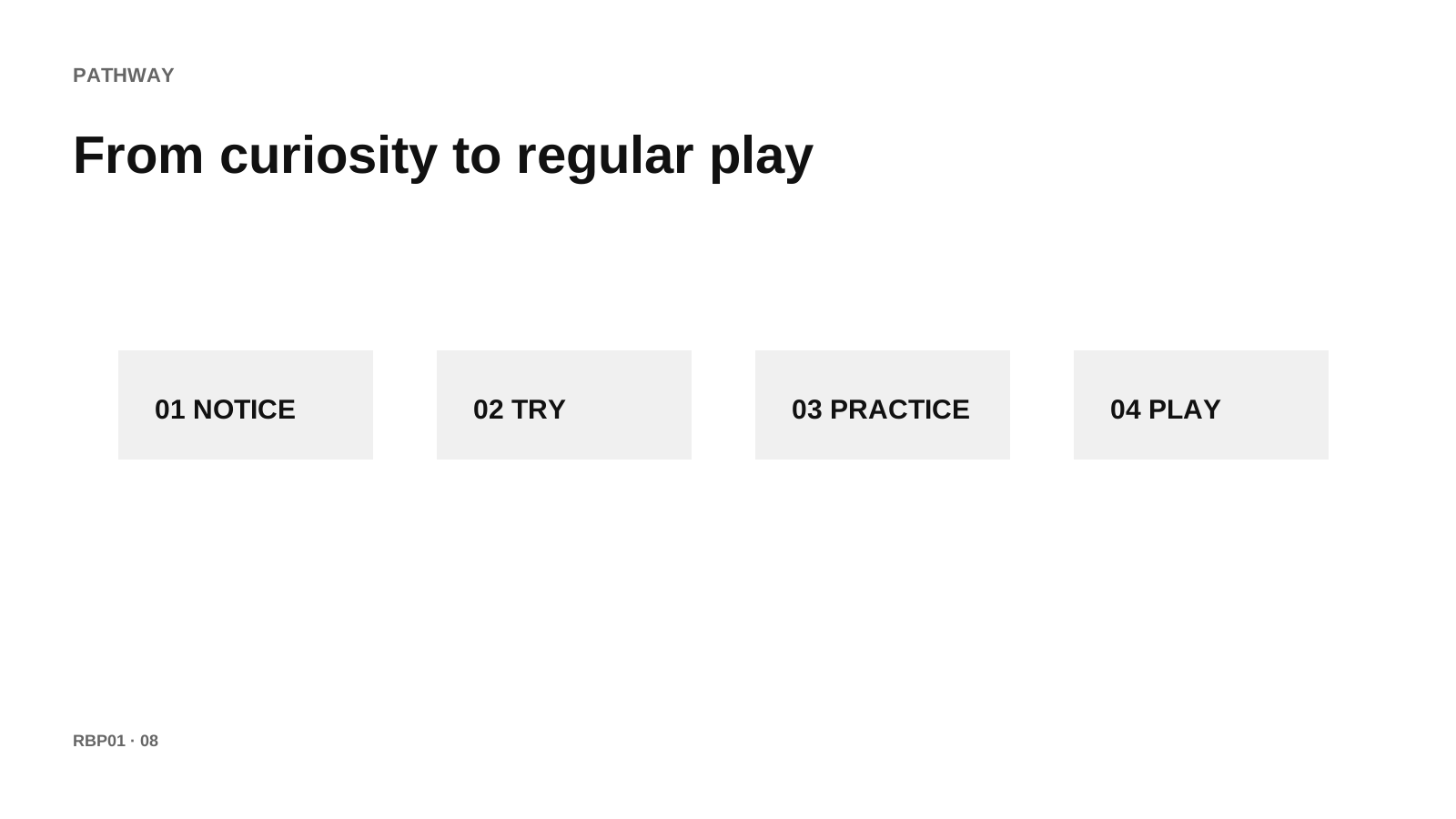
RacketBridge starts with a simple idea: playing one racket sport does not have to keep you inside that sport. Skills, confidence, fitness and curiosity can all become bridges. The goal is not to replace the sport you already enjoy. It is to make the next racket sport feel reachable enough to try.Experienced players often build their routines around one sport: the same courts, partners, habits and identity. Crossing into another sport means becoming less competent for a while. RacketBridge treats that discomfort as part of the transition, not as evidence that the new sport is a poor fit.The first barrier is not only technical. It can also be social and psychological. A strong player is used to knowing what to do and how they compare with others. In a new sport, that certainty disappears. The challenge is to make the competence reset small enough that curiosity survives the awkward first sessions.Different sports provide different bridges. Badminton may help with explosive movement and overhead actions. Tennis brings ball tracking, volleys and tactical habits. Table tennis offers an accessible introduction to racket control and anticipation. Padel or pickleball may provide other familiar elements. Transfer is selective, not automatic.A tennis player entering squash does not start from zero. Ball tracking, competition habits, volleys and tactical awareness still matter. But the geometry changes completely: active walls, shared court space, shorter preparation and recovery toward the T. In Jerusalem there is also a practical bridge: tennis and squash can exist in the same facility environment.A low barrier to entry does not mean a low sporting ceiling. Table tennis can be easy to access while remaining technically demanding. Squash gives newcomers useful solo practice before they find the right partner. Badminton players may recognize parts of the movement vocabulary. Each route lowers a different part of the entry cost.This is the central RacketBridge message. A second sport does not erase the first one. It adds another way to move, compete, learn and meet people. The useful question is not whether the new sport feels exactly like your primary sport. It is whether enough transfers to make learning worthwhile.Cross-sport participation is a process. First you notice an opportunity. Then you try it with low pressure. Next you practice enough to become comfortable. Only then does regular play become realistic. RacketBridge should make each step easier without pretending that the learning curve disappears.Squash has an unusual participation advantage: meaningful practice does not always require a partner. Wall drills, ghosting, footwork and conditioning let a newcomer build familiarity privately. That can reduce both the partner barrier and the discomfort of learning in public before the player is ready for a full game.This presentation is a short visual introduction, not a substitute for the underlying research. Its main editorial basis is RacketBridge Special Report SR06, together with the RacketBridge Article Library and the Presentation Standard. The deeper report separates evidence from practical RacketBridge interpretations and identifies where claims remain hypotheses.If this introduction raises questions, continue with the written material. The RacketBridge Article Library explains the broader participation idea in shorter form. SR06 goes much deeper into transfer, identity, access barriers, solo practice and the human difficulty of becoming a beginner again.Trying another racket sport should not require abandoning the one you already love. The bridge can simply create another place to play, another form of useful movement and another social connection. That is the RacketBridge idea: friends, functional fitness and fun — with one sport leading to another.